
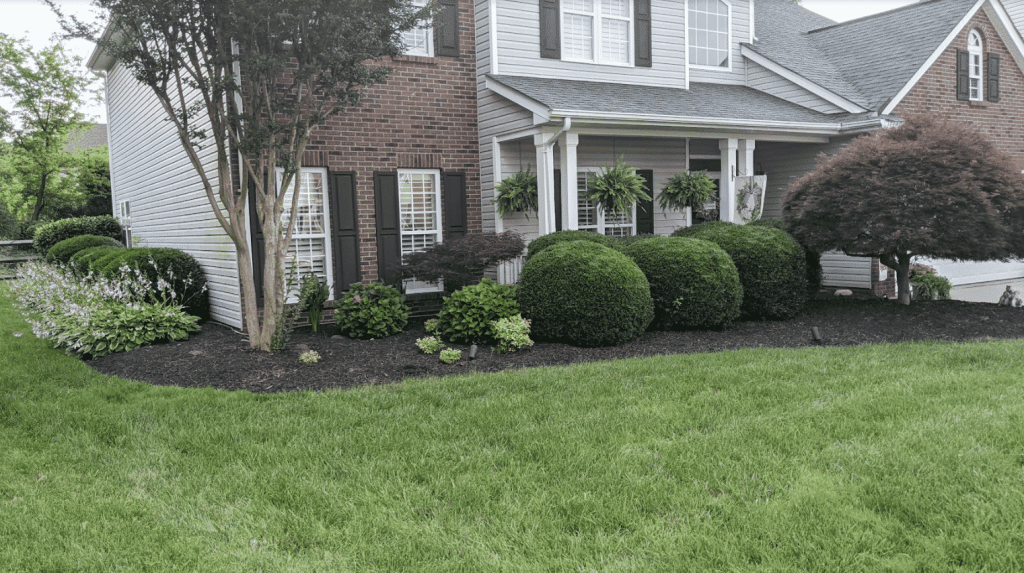
Maintaining a lush, healthy lawn in Concord, NC can be a challenge—especially when lawn weeds begin to take over. Weeds not only diminish the visual appeal of your yard but also compete aggressively with turfgrass for nutrients, sunlight, and moisture. If left unchecked, they can spread rapidly, weakening your lawn’s health and appearance. Understanding the different types of lawn weeds and how to control them effectively is essential to preserving a weed-free, beautiful lawn.
At Carolina Turf Services, we specialize in targeted weed control programs specifically designed for Concord’s unique growing conditions. This guide will help you identify the most common lawn weeds in the area, understand their growth patterns, and choose the best control methods—so you can stay one step ahead.
What Makes Weeds So Difficult to Manage?
Lawn weeds are invasive plants that thrive in weak or neglected turf areas. Their adaptability and fast-growing nature allow them to take hold quickly, especially during periods of stress for your grass, such as drought, poor soil conditions, or overwatering. Many weeds produce large quantities of seeds that spread easily through wind, water, animals, or foot traffic. Some species also have persistent root systems that regenerate even after partial removal, making them especially difficult to eliminate without proper treatment.
Common Types of Lawn Weeds in Concord, NC
Concord’s warm, humid climate and extended growing season make it a favorable environment for several weed species. Let’s break down the most common types of lawn weeds homeowners in the area should look out for.
Crabgrass
Crabgrass is one of the most notorious warm-season annual grassy weeds in Concord lawns. It grows low to the ground with wide, coarse blades and thrives in thin, stressed turf. It germinates in spring when soil temperatures reach about 55°F, quickly spreading through bare patches. As it matures, crabgrass forms a dense mat that crowds out desirable grass. Control involves pre-emergent herbicides applied in early spring and post-emergent treatments for visible growth. Proper timing is critical—missing the pre-emergent window means the weed could already be taking root.
Dandelions
Recognizable by their bright yellow flowers and fluffy seed heads, dandelions are persistent broadleaf perennials. Their deep taproots make them difficult to remove completely, and their seeds spread easily through the wind. Dandelions often appear in lawns with compacted soil and low nutrient levels. Manual removal can help, but unless the full root is extracted, regrowth is inevitable. Targeted post-emergent herbicides work best when applied during the active growing season, especially in early fall or spring when the plant is storing nutrients in its root system.
White Clover
Once considered a beneficial addition to lawns, white clover is now classified as a weed by most turf professionals. It features small white flower clusters and trifoliate (three-leaf) structures. Clover thrives in nitrogen-deficient soil, which gives it a competitive edge over nutrient-starved turfgrass. Clover is resilient and low-growing, making it hard to mow out. Organic solutions like adding nitrogen-rich fertilizer can discourage its growth, while selective herbicides can eliminate it without harming the grass.
Chickweed
Chickweed is a cool-season annual that grows low to the ground and forms dense mats of small, star-shaped white flowers and smooth leaves. It often invades moist, shaded areas and spreads aggressively. Because of its low growth habit, it escapes mower blades and quickly takes over weakened turf. Chickweed can be controlled with post-emergent herbicides designed for cool-season weeds. Preventing its spread involves improving drainage and increasing sun exposure when possible.
Nutsedge
Also known as nutgrass, nutsedge isn’t a true grass, but a sedge. It has triangular stems and glossy, light green leaves that grow faster than regular grass. Nutsedge thrives in overwatered or poorly drained areas and reproduces through underground tubers called nutlets, making it extremely tough to control. Traditional herbicides often fail, so nutsedge-specific products are necessary. For long-term success, addressing drainage issues and avoiding overwatering are critical steps.
Why Do Weeds Spread So Easily?
Weeds thrive where turfgrass struggles. In many cases, poor lawn health due to improper watering, compacted soil, inconsistent fertilization, or lack of sunlight provides the perfect opportunity for weeds to take root. Unlike desirable turfgrass, weeds tend to adapt quickly to harsh conditions. Their seeds can remain dormant in the soil for years, waiting for the right temperature and moisture levels to sprout. Additionally, some weeds reproduce both by seed and underground rhizomes or tubers, doubling their ability to spread.
In Concord’s transitional climate zone, where cool-season and warm-season grasses coexist, weeds have the advantage of surviving nearly year-round. That’s why effective control isn’t just about killing what’s visible—it’s about long-term strategies that target weeds at the root and prevent future growth.
The Most Effective Lawn Weed Control Methods
Controlling weeds in Concord requires a multi-faceted approach that includes identification, treatment, and prevention. Here are some of the most effective methods used by professionals.
Manual Weed Removal
Manual removal works best for isolated weeds or shallow-rooted species like dandelions and chickweed. Pulling them by hand or using a weeding tool can be effective, especially when the soil is moist. However, this method is labor-intensive and often impractical for large infestations. If even part of the root system remains, the weed is likely to return.
Organic and Cultural Methods
Organic weed control involves natural treatments and changes to lawn care habits. For instance, correcting soil imbalances, improving drainage, and adjusting mowing height can help your lawn compete better with weeds. Overseeding with healthy grass varieties and aerating compacted soil are also part of cultural control strategies that improve turf health and suppress weed growth.
For certain weeds like clover, improving nitrogen levels through natural fertilizers can reduce their prevalence without using chemicals. These methods are ideal for environmentally conscious homeowners but usually take longer to show visible results.
Chemical Control with Herbicides
Herbicides are the most direct and widely used method for weed control, but they must be used correctly. Pre-emergent herbicides prevent weed seeds from germinating and are effective against annuals like crabgrass. Timing is key—applying them too early or too late can render them ineffective.
Post-emergent herbicides target already sprouted weeds. These are either selective (targeting specific types of weeds without harming grass) or non-selective (killing everything they touch). Selective herbicides are ideal for broadleaf weeds like dandelions and clover. Spot treatments help minimize chemical usage and preserve the surrounding turf.
At Carolina Turf Services, our expert technicians use industry-approved products tailored to the types of lawn weeds found in Concord. We evaluate your lawn’s unique conditions to ensure maximum effectiveness while maintaining the health of your grass.
Preventing Weeds Before They Start
Weed control doesn’t end with removal. Preventing future infestations is just as important to maintaining a healthy lawn. The most effective prevention strategy is creating an environment where turfgrass can thrive—and weeds cannot.
Healthy lawns naturally resist weed growth by forming a thick canopy that shades the soil and blocks sunlight from reaching weed seeds. Proper watering, fertilization, aeration, and mowing are essential for strong turf. Avoid cutting grass too short, as it weakens the roots and opens space for weed seeds to germinate. Water deeply but infrequently to encourage deep root growth, and schedule regular soil tests to monitor nutrient levels.
For homeowners in Concord, seasonal shifts can also impact weed pressure. Spring and fall are particularly critical times for proactive weed control. A professional treatment schedule based on local conditions ensures year-round protection and keeps your lawn looking its best.
The Advantage of Hiring Lawn Weed Control Professionals in Concord
While DIY methods may offer some success, professional weed control services provide a level of precision and consistency that’s hard to match. At Carolina Turf Services, we understand the types of lawn weeds specific to Concord and use this knowledge to implement custom treatment plans. Our certified specialists perform thorough lawn evaluations, apply expertly timed treatments, and monitor results throughout the season.
We use commercial-grade products not available at local retailers and take care to apply them safely and responsibly. Beyond treatment, we offer guidance on long-term turf improvement practices that make your lawn more resistant to future invasions. Partnering with a local lawn care expert ensures that your lawn is treated with knowledge of local climate, soil conditions, and weed species—offering peace of mind and better results.
If you’re struggling with persistent weeds and want to restore your lawn’s natural beauty, we’re here to help. Contact Carolina Turf Services for professional lawn weed control in Concord, NC today.
Final Thoughts on Controlling Lawn Weeds in Concord
The key to managing weeds effectively lies in understanding the specific threats they pose to your lawn and acting with a strategic, informed plan. From the aggressive spread of crabgrass in the summer to the stubborn persistence of dandelions in the spring and fall, each weed requires a different approach. With Concord’s variable climate and growing conditions, it’s vital to combine timely treatments with good cultural practices for lasting success.
At Carolina Turf Services, we make it our mission to provide customized, results-driven solutions for every lawn. Whether you’re battling an active weed infestation or looking to prevent one, our comprehensive weed control programs are built around your lawn’s unique needs.
Take the first step toward a healthier, weed-free lawn in Concord, NC—content us today at Carolina Turf Services.