
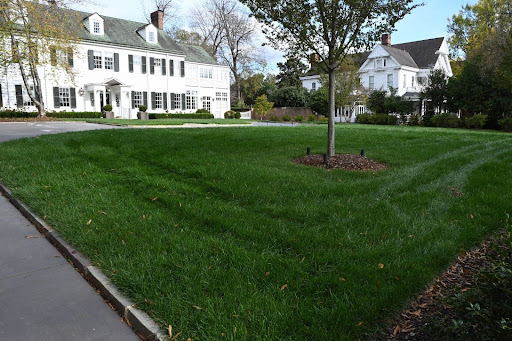
When it comes to keeping your lawn looking its best, one of the biggest challenges is controlling pesky weeds. You might find yourself wondering whether to reach for organic solutions or traditional chemical herbicides. It can feel daunting to navigate through this decision! On one hand, you’d like your yard to flourish without those stubborn intruders ruining the view, but on the other hand, you care about the environment and your family’s health. The good news? There are options that balance effectiveness with sustainability, and those choices can lead to a vibrant, healthy lawn. Let’s dive into the differences between organic methods, chemical solutions, and the consideration of pesticides, so you can make an informed choice that fits your values and your garden’s needs.
Organic weed control methods, such as corn gluten meal and vinegar-based herbicides, prioritize environmental safety and lower toxicity risks, making them ideal for homeowners concerned about health and ecological impact. In contrast, chemical weed control options tend to be more potent in targeting established weeds but may pose higher risks due to pesticides and their residues, impacting users and surrounding plant life with potential health concerns. Ultimately, the best choice depends on your values regarding safety, effectiveness, and environmental sustainability.
Different Weed Control Methods
Chemical Weed Control
Chemical weed control relies on synthetic herbicides that target unwanted plants. Most people are familiar with these products, which are typically categorized as pre-emergent or post-emergent.
Pre-emergent herbicides work by preventing weed seeds from sprouting, while post-emergent herbicides tackle weeds that have already emerged from the soil. It’s remarkable how prevalent these products are. According to a study by the Environmental Protection Agency, nearly 90 million pounds of pesticides, including herbicides, are used every year in the United States alone. This number highlights just how heavily gardeners and landscapers depend on them to manage weed populations effectively.
Organic Weed Control
On the flip side, organic weed control methods embrace natural solutions, steering clear of synthetic chemicals. Common options include vinegar-based sprays known for their acetic acid content, corn gluten meal that acts as a natural pre-emergent, and even the time-honored practice of manual weeding.
Each method has its own pros and cons; for instance, hand weeding is often touted as one of the most effective ways to eradicate weeds completely. However, it can be impractical for larger lawns where labor quickly adds up..
Additionally, using organic options such as mulch not only aids in suppressing weed growth but also enhances soil health by gradually decomposing and enriching nutrient content. This illustrates a beautiful synergy between maintaining a healthy lawn and employing effective weed management strategies. For many gardeners, combining different organic approaches emerges as a smart option—hand weeding along pathways followed by vinegar treatments in areas where persistent weeds lurk.
All these considerations highlight why opting for organic methods reflects a growing trend towards sustainability in gardening practices. Shifting into a more holistic approach to lawn care can offer both immediate benefits and long-term rewards by choosing non-toxic methods that are kind to the environment.
Organic Options for Better Lawn Health
Organic options not only control weeds but also improve the overall health of your lawn. The beauty of these methods lies in their dual-purpose functionality. When you choose organic herbicides, you’re not just tackling those pesky weeds; you’re also supporting soil health and fostering a thriving ecosystem around your grass with non-toxic solutions.
Soil Enrichment
Many organic weed control methods, such as the application of mulch or compost, help enhance the soil by adding essential nutrients. This results in a healthier lawn environment that becomes increasingly resistant to weeds over time. Take compost, for example; it improves soil structure, increases microbial activity, and provides slow-release nutrients. The vibrant communities of microorganisms come alive, breaking down organic matter into forms easily absorbed by grass roots.
Though enriching your soil has commendable long-term benefits, switching gears to immediate remedies can create a strong competitive landscape against unwanted vegetation.
Short-Term Organic Weed Killers
One notable aspect of utilizing organic herbicides is their quick action without harming the environment. Vinegar-based solutions—like those containing acetic acid—are particularly effective against young weeds. As they penetrate plant tissue, cellular damage occurs almost instantly. Using a solution composed of 20% acetic acid can yield effective results within hours, especially when applied on sunny days when plants are active.
Another interesting organic alternative is corn gluten meal. While primarily known as a pre-emergent herbicide, its effectiveness lies in preventing weed seeds from germinating. Timing is crucial with this option; applying it before weeds sprout ensures that no new intruders take hold in your lawn.
In addition to commercial products, there are DIY solutions made from household items like salt and water or boiling water treatments. A simple mixture of salt can act as a weed killer, but be careful as it may harm surrounding plants if used indiscriminately. Boiling water poured directly onto weeds destroys plant tissues quickly, but requires a bit more labor on your part.
As you contemplate all these options, maintaining healthy grass through proper fertilization will minimize the need for any herbicides—organic or chemical—in the first place. Nurturing your lawn allows it to thrive naturally alongside other plants while keeping invasive nuisances at bay.
With a solid understanding of organic and non-toxic approaches under your belt, let’s explore some particularly effective solutions that harness nature’s own strength.
Top Natural Weed Killers
One of the most popular choices among homeowners looking for eco-friendly solutions is vinegar-based solutions. With an acetic acid concentration of around 20%, these products work by destroying weed cell membranes upon contact. This makes them particularly effective for spot treatments in areas where you want to quickly eliminate stubborn weeds.Just imagine spraying a targeted area and watching those pesky dandelions wilt before your eyes! However, it’s worth noting that vinegar will affect any plant it touches, so precise application is key to avoiding damage to your desired flora. This careful approach also serves as an excellent prevention method, ensuring that beneficial plants remain unharmed.
Another standout in the realm of natural weed killers is corn gluten meal. This remarkable product serves two purposes: as a pre-emergent herbicide and a slow-release fertilizer. By inhibiting root formation, corn gluten meal effectively prevents new weeds from sprouting while simultaneously nourishing your existing plants. Many enthusiasts have had striking success with this method, leading to not only weed reduction but also overall lush lawn health. It’s a perfect example of how organic solutions can lead to thriving green spaces and serve as effective prevention against the recurring weed issue.
Speaking of thriving spaces, let’s talk about essential oils, which are another fantastic option on the table.
Derived from natural sources, essential oils like clove and citrus oil possess properties that disrupt weed growth smoothly yet effectively. When diluted properly and applied directly to weeds, these potent oils can penetrate and hinder their development without harming nearby beneficial plants. Plus, who wouldn’t appreciate the refreshing scent wafting through their yard while simultaneously fighting off unwanted weeds? Such use of essential oils not only provides an immediate solution but also serves as a form of prevention by discouraging new weed growth.
Lastly, let’s not overlook the simplest yet undeniably effective method: boiling water. This straightforward technique can be used almost anywhere, particularly on stone pathways or driveways where weeds may stubbornly poke through cracks. Boiling water works because the extreme heat instantly kills the weed’s tissues upon contact, leaving behind no chemicals at all—just pure heat energy doing the job. This method is also an excellent prevention strategy, stopping weeds from becoming established in those tough-to-reach crevices. The best part? No fancy gadgets or special tools required; just a kettle and a bit of caution!
Users have reported great success through posts on our site, with one stating, “Using corn gluten meal not only stopped my weed problem but also made my lawn lush and green.” This perfectly encapsulates the dual benefits of choosing natural options—they often contribute positively to the overall health of your garden while tackling troublesome weeds head-on and providing ongoing prevention.
While these natural methods provide safe and effective alternatives for homeowners, exploring other chemical options can enhance understanding as we transition into evaluating various strategies that support lawn care management.
Benefits and Drawbacks of Chemical Herbicides
Chemical herbicides are a tempting option for homeowners seeking a quick solution to pesky weeds. These products are engineered to target and eliminate unwanted plant life efficiently. For example, top-tier brands, such as Roundup, have built a reputation for their effectiveness in eradicating invasive weeds that can compromise the beauty of well-maintained lawns. This rapid action is perhaps the most appealing feature; a single application can yield visible results within hours, restoring the aesthetic appeal of your outdoor space.
However, alongside these benefits lies a deep-seated concern regarding their impact on both health and the environment. Here’s how benefits and drawbacks balance out:
| Benefits | Drawbacks |
| Quick and effective weed control | Potential harm to desirable plants |
| Wide range of weed targeting | Health risks associated with prolonged exposure |
| Decreased maintenance frequency | Potential long-term soil and water contamination |
| Accessibility and ease of use | Dependence on chemicals rather than sustainable practices |
While chemical herbicides boast significant efficiency, one major drawback is their potential to harm surrounding flora. When applied carelessly, they can drift onto prized flowers or grass, leading to unintended damage that takes time and effort to repair. Moreover, there are mounting concerns about health risks linked to these substances; studies suggest a connection between certain herbicides and long-term health issues in both humans and pets. Prevention through careful application can mitigate some risks, yet the potential health impacts remain a serious consideration. As homeowners become more eco-conscious, this leads us to ponder: In what way are the immediate benefits worth the long-term consequences?
According to homeowner surveys conducted in recent years, over 60% express anxiety about health risks stemming from chemical usage in yards. Many individuals are beginning to reevaluate the way they approach yard care to alleviate these concerns.
Thus, as we explore further aspects of lawn care choices, understanding the environmental ramifications becomes essential to making informed decisions in a sustainable way.
When it comes to maintaining a healthy and vibrant lawn, many homeowners face a tough decision: which weed control method should they use? The choice between chemical herbicides and organic options isn’t just about effectiveness; it’s also about the larger impact on our environment and the way these choices shape our future.
Comparing Environmental Impact
Chemical herbicides can effectively eliminate unwanted weeds, but their long-lasting effects can create unforeseen issues in the surrounding ecosystem. Typically, these substances can linger in the environment for anywhere from 30 to 365 days. Contrast this with organic options, which decompose within a mere 14 days. This significant difference illustrates that while chemical solutions might offer immediate gratification, they come with a price, a residue that affects soil health and water quality in a significant way.
The potential consequences of using chemical herbicides extend beyond just the instant disappearance of weeds. These products often leach into groundwater, exposing drinking supplies to harmful compounds that could jeopardize both human and wildlife health. In contrast, organic methods are formulated to work in harmony with nature, preserving soil health by enriching essential microorganisms rather than depleting them, and thereby offering a more sustainable way forward.
As a result, not only do these organic options promote biodiversity in your garden—a crucial aspect of any healthy ecosystem—they generally avoid harming beneficial insects and other wildlife, paving the way for a more balanced environment.
Just imagine for a moment what a chemical-heavy lawn looks like: a patchy grass riddled with unnecessary toxins while friendly pollinators, like bees, struggle to survive amidst all those residues. On the other hand, envision a lush green space flourishing with healthy plants and buzzing life; that’s the promise of organic weed control, a way to cultivate life.
Additionally, let’s break down how each option impacts specific environmental aspects:
- Decomposition Time: Chemical herbicides can linger for years due to their complex makeup, allowing them ample opportunity to seep into soil and waterways, a way that can alter ecosystems extensively.
- Groundwater Impact: High levels of toxicity linked to chemical herbicides can create long-term pollution issues, emphasizing the need for a safer way to protect our water resources.
- Soil Health Preservation: Organic methods work to enrich the soil biome actively, supporting plant growth while reducing erosion, thus ensuring a sustainable way of maintaining soil integrity for future generations.
- Soil Health Preservation: Organic methods work to enrich the soil biome actively, supporting plant growth while reducing erosion.
- Wildlife Impact: While many chemical herbicides prove potentially harmful to various ecosystems, organic alternatives often have negligible adverse effects.
As more individuals recognize these impacts on our environment, we will likely see a gradual shift towards organic solutions becoming mainstream in weed management practices. It’s an encouraging trend toward sustainability that treats our lawns not just as manicured patches but as integral parts of the earth’s ecosystem.
This leads us directly into considering how one can implement these insights effectively and find strategies that best suit their specific circumstances while aligning with both ecological principles and personal preferences.
Choosing the Best Method for Your Yard
Selecting the right weed control method isn’t just about choosing between organic and chemical solutions; it’s an intricate dance that involves understanding your lawn’s unique characteristics. Begin by meticulously *assessing your lawn*. Walk through your yard, taking note of the different types of weeds sprouting up. This not only helps in identifying what you’re up against but also guides you towards the most effective approach. For example, if you find dandelions invading a corner patch, you’ll want a strategy tailored to combat them.
The next pivotal step is to *evaluate environmental conditions*. Understanding your soil health, moisture levels, and sunlight exposure can significantly impact the effectiveness of your chosen method. Remember, robust soil creates resilience against weed outbreaks! A nutrient-rich environment full of beneficial microbes can help grass thrive while keeping undesirable plants at bay. If your soil is compacted or deficient in nutrients, it could be time for some amending before implementing any weed control measures.
Moving on to the crux: *choosing your method*. This is where personal values come into play. If you lean toward sustainability and seek safe options for pets and children, organic treatments—like those from Carolina Turf Services—present a compelling solution that responsibly tackles weeds without harmful side effects. These organic options may require more frequent applications but reward you with long-term benefits for both your lawn and the environment. Alternatively, if you’re grappling with a severe weed infestation that demands immediate results, chemical herbicides might seem tempting due to their quick efficacy.
By thoughtfully navigating these steps—assessing your lawn, evaluating environmental conditions, and determining the best method based on your needs—you empower yourself to make informed decisions. This knowledge helps ensure you’re selecting not just an effective weed control method but one that aligns with both your values and the health of your garden environment.
For tailored advice that suits every need, don’t hesitate to contact Carolina Turf Services for expert insight and organic lawn care solutions.