
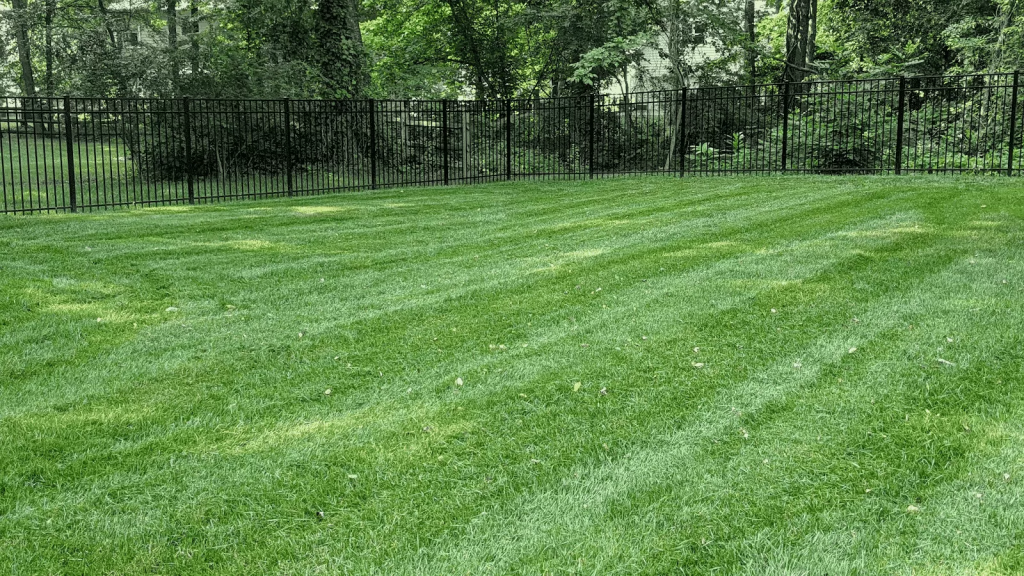
Weeds rarely appear without a reason. Many property owners in Concord, NC, feel frustrated when unwanted growth spreads across their lawn despite regular care and attention. The issue often goes deeper than surface-level treatments and points to underlying lawn conditions that create the perfect environment for invasive plants.
Understanding the causes of lawn weeds Concord homeowners commonly experience begins with looking beneath the surface. Soil composition, moisture balance, and turf density all influence how easily weeds can establish themselves. When grass is stressed or soil conditions are imbalanced, weeds take advantage of the opportunity.
This article explains how lawn conditions directly contribute to weed growth and why correcting those conditions reduces weed pressure naturally. It also highlights how Carolina Turf Services approaches lawn weed control in Concord by focusing on both effective treatment and long-term turf health improvement.
Understanding Why Weeds Appear in Well-Maintained Lawns
Even lawns that appear green and properly cared for can develop weed problems. Weeds are opportunistic plants that grow wherever conditions favor their survival. When turf becomes stressed or weakened, invasive species quickly fill the gaps.
In Concord, seasonal weather shifts and soil composition create unique challenges for turfgrass. These environmental factors often influence the causes of lawn weeds that Concord property owners encounter. Recognizing weeds as symptoms of deeper lawn conditions allows homeowners to focus on correcting root causes instead of only reacting to visible growth.
Weeds as Indicators of Underlying Lawn Stress
Weeds typically emerge where grass struggles to thrive. Compacted soil, nutrient deficiencies, and improper moisture levels weaken turfgrass roots. When grass cannot grow densely, weeds encounter less competition for sunlight and nutrients.
Certain weed species are especially adaptive to stressed environments. Their presence often signals that soil or turf health requires attention. Instead of viewing weeds as isolated invaders, it is more effective to see them as indicators that lawn conditions need adjustment.
Common Weed Patterns in Concord, NC
The climate in Concord supports a variety of warm-season and cool-season weeds. Some species germinate during spring and summer, while others become active during cooler months. This cycle means lawns can face year-round weed pressure.
Clay-heavy soils and fluctuating rainfall patterns further influence weed growth. When turf density decreases, invasive plants spread rapidly across open areas. Understanding local weed patterns helps guide more targeted and strategic control efforts.
Soil Health and Its Direct Impact on Weed Growth
Healthy soil is the foundation of strong turfgrass. When soil structure and nutrient levels are balanced, grass grows thicker and more resilient. Poor soil health, however, creates favorable conditions for weed establishment.
Many of the causes of lawn weeds Concord homeowners deal with stem from soil-related issues. By improving soil quality, lawns become naturally more competitive against invasive plants.
Nutrient Deficiencies and Imbalanced Fertility
Grass depends on a consistent supply of nutrients to maintain density and root strength. When essential nutrients are lacking, turf becomes thin and vulnerable. Weeds often thrive in nutrient-poor soil where grass struggles to compete.
Balanced fertilization tailored to soil conditions promotes steady growth and improved turf health. Rather than overfeeding or underfeeding, a targeted nutrient approach supports long-term resilience. Carolina Turf Services evaluates lawn conditions carefully to ensure proper nutrient balance.
Soil Compaction and Restricted Root Development
Compacted soil limits airflow, water absorption, and root expansion. In Concord’s clay-based soils, compaction is a common issue that reduces turf performance. Shallow root systems struggle to withstand heat and environmental stress.
When roots cannot penetrate deeply, grass becomes weaker and less competitive. Weeds quickly colonize compacted areas because turf lacks the strength to resist invasion. Aeration and soil conditioning improve structure and encourage healthier root development.
Soil pH Imbalance and Weed Preference
Soil pH affects how nutrients are absorbed by turfgrass. If pH levels are too high or too low, grass may not access the nutrients it needs to thrive. Some weed species tolerate extreme pH conditions better than turfgrass.
Testing soil in Concord lawns helps determine whether adjustments are necessary. Correcting pH imbalances creates an environment where grass grows more vigorously. Stronger turf reduces the likelihood of recurring weed outbreaks.
Moisture Imbalance and Drainage Concerns
Water management plays a significant role in weed development. Both excessive moisture and drought stress can weaken turfgrass. When grass becomes stressed, weeds encounter less resistance and spread more easily.
Concord’s soil composition can sometimes lead to uneven drainage. Addressing moisture imbalance is essential in minimizing the causes of lawn weeds that Concord residents frequently observe.
Overly Saturated Soil Conditions
Excess water reduces oxygen availability in the soil. Grass roots deprived of oxygen may weaken or decay. Certain weeds, however, tolerate saturated conditions and flourish in damp environments.
Improving drainage and monitoring irrigation practices helps restore balance. Proper moisture control strengthens turf and reduces opportunities for invasive species to take hold.
Drought Stress and Turf Thinning
During extended periods of heat, turfgrass may experience stress and thinning. More drought-tolerant weeds continue to grow and spread under these conditions. As grass weakens, gaps form that invite further invasion.
Maintaining appropriate moisture levels during dry periods supports consistent turf density. Stronger grass is better equipped to compete against aggressive weed species.
Uneven Water Distribution
Inconsistent watering patterns can create patches of weak turf. Areas receiving too much or too little moisture may decline in health. These irregular conditions often become hotspots for weed growth.
Balancing moisture distribution across the lawn promotes uniform turf development. Consistency reduces stress and limits the environmental advantages weeds exploit.
Turf Density as a Natural Defense Against Weeds
Dense turfgrass serves as a natural barrier against weed germination. When grass grows thick and healthy, it shades the soil and restricts access to sunlight. Weed seeds struggle to establish themselves in such conditions.
Thin or sparse turf, however, creates open space for invasive plants. Strengthening turf density is one of the most effective long-term strategies for weed suppression.
The Relationship Between Turf Coverage and Weed Germination
Weed seeds require sunlight and space to sprout successfully. Dense turf reduces both of these elements. When grass blades overlap and form consistent coverage, fewer seeds can reach the soil surface.
In Concord lawns where thinning occurs, weed pressure often increases. Improving overall turf strength reduces the likelihood of widespread infestations.
Environmental Stress and Loss of Density
Seasonal changes, soil imbalances, and moisture extremes can weaken turf over time. As density declines, weed populations expand. This cycle continues unless underlying conditions are corrected.
Restoring turf health through soil improvement and targeted treatments creates a more competitive lawn environment. Stronger grass gradually reduces weed presence.
Strengthening Turf Through Professional Treatment
Professional lawn weed control goes beyond simply removing visible weeds. Carolina Turf Services integrates treatments that support turf recovery and density improvement. This comprehensive approach addresses both symptoms and contributing factors.
By combining weed control applications with soil and turf health strategies, long-term improvements become achievable. Consistent care helps lawns remain resilient against future invasions.
Seasonal Conditions in Concord, NC That Influence Weed Growth
Weed growth patterns shift throughout the year in Concord. Seasonal temperature changes and rainfall variations affect how and when weeds emerge. Understanding these cycles supports more effective prevention.
Different weed species thrive during different seasons. Recognizing these patterns helps determine the most appropriate timing for treatments.
Spring Germination Cycles
As soil temperatures rise in spring, many weed seeds begin to germinate. Early intervention is critical in limiting their spread. Without preventative action, these weeds can dominate before turf reaches peak growth.
Spring treatments focus on reducing early-season establishment. Strengthening turf during this period supports healthier growth throughout the year.
Summer Stress and Weed Expansion
High heat and humidity place stress on turfgrass. When grass struggles under extreme conditions, invasive plants often expand. Summer weed growth can accelerate rapidly in weakened lawns.
Maintaining turf health during hot months reduces the impact of seasonal stress. Proactive weed control prevents minor issues from becoming extensive problems.
Fall and Cool-Season Weed Activity
Cooler temperatures create favorable conditions for a new set of weed species. Some germinate in the fall and remain active into winter. Dormant or slow-growing turf may provide less competition.
Targeted fall treatments address cool-season invaders before they mature. Seasonal strategies help maintain control throughout the year.
How Improving Lawn Conditions Reduces Weed Pressure Naturally
Eliminating weeds alone does not guarantee lasting results. Sustainable improvement requires correcting the conditions that allowed weeds to grow in the first place. Focusing on soil and turf health reduces future outbreaks.
By addressing the causes of lawn weeds Concord property owners encounter, long-term suppression becomes more achievable. Strengthening grass naturally limits the space and resources available to invasive plants.
Soil Testing and Targeted Nutrient Programs
Accurate soil analysis reveals nutrient deficiencies and pH imbalances. With precise data, fertilization programs can be tailored to specific lawn needs. This targeted approach avoids unnecessary applications.
Balanced nutrition supports consistent turf growth and resilience. Healthier grass competes more effectively against weeds and reduces repeat infestations.
Aeration and Structural Soil Improvement
Aeration relieves compaction and enhances oxygen flow to roots. Improved soil structure promotes deeper root systems and better moisture management. Stronger roots create stronger turf.
Consistent aeration combined with professional weed control treatments produces noticeable improvements over time. Addressing soil structure is a key component of sustainable lawn health.
Integrated Weed Control and Turf Strengthening
Carolina Turf Services approaches lawn weed control in Concord with a comprehensive strategy. Treatments are designed to eliminate existing weeds while improving the overall growing environment. This balanced approach supports healthier turf development.
Rather than focusing solely on visible growth, integrated programs reduce recurring issues. Strengthening lawn conditions naturally limits weed pressure moving forward.
Creating a Healthier Lawn Environment in Concord, NC
Weeds often signal that lawn conditions require attention. Soil imbalances, moisture issues, and reduced turf density all contribute to their spread. Correcting these factors leads to stronger, more resilient grass.
Understanding the causes of lawn weeds Concord homeowners experience helps shift the focus from short-term fixes to long-term improvement. Addressing root causes creates a more stable and competitive lawn environment.
Carolina Turf Services provides professional lawn weed control in Concord by combining effective treatments with strategies that enhance turf health. By improving soil structure, balancing nutrients, and reducing environmental stress, lawns become better equipped to resist invasive growth throughout the seasons. If weeds are taking over your lawn in Concord, contact Carolina Turf Services today for professional lawn weed control and customized turf care solutions.