

Transforming your lawn is a rewarding journey that begins with understanding the lawn renovation process. This means knowing what steps to take, such as reseeding, fertilizing, and maintaining your yard regularly. But it is not all about labor and effort; there is an art to creating the lush, appealing outdoor space you have always wanted. In this guide, we will provide some expert advice on lawn renovation. It’s time to jump in and start your renovation adventure.
A Step-by-Step Guide to Lawn Renovation
When it comes to renovating your lawn, starting with a clear plan is crucial. Let’s check out the step-by-step guide to lawn renovation!
Step 1 – Assessing Your Lawn
The first step is to carefully assess the current condition of your yard. Look for patchy areas, erosion of the soil, and any weed overgrowth that may be hindering the growth of healthy grass. This initial assessment is vital, as it will help tailor the renovation process to address the specific needs of your lawn.
One way to approach this assessment is by dividing your yard into sections and taking note of the areas where the grass seems sparse or unhealthy. By doing this, you can prioritize which areas require more intensive renovation efforts. Additionally, consider testing the pH levels and nutrient content of your soil to ensure that you’re providing the best environment for new grass growth.
Once you have a clear understanding of your lawn’s specific issues, you can move on to the next crucial step: preparing the soil for optimal grass growth.
Step 2 – Soil Preparation
Soil preparation is an essential part of any successful lawn renovation project. To begin this process, aeration is key. Aerating the soil helps improve its structure by loosening compacted earth and allowing air, water, and nutrients to penetrate deeper—vital for promoting healthier root growth.
Thatch and moss buildup are common issues that can impede new grass growth. Thatch—a layer of decomposing grass roots and stems—can prevent air and water from reaching the soil. Moss, on the other hand, thrives in damp, shaded areas and competes with grass for space. Both of these issues need to be addressed before overseeing bare patches and thin areas.
If you’ve noticed that water tends to pool in certain areas of your lawn or that the ground feels hard and compacted underfoot, these are signs that aeration is necessary. By using specialized equipment or simply a garden fork, you can perforate the soil at regular intervals, allowing it to breathe again.
Once the soil is primed for new growth, it’s time to focus on reseeding bare patches and thin areas.
Step 3 – Reseeding
Overseeding involves spreading new grass seed over existing turf to encourage healthy new growth. Choosing the right seed variety is crucial for success. Consider factors such as your local climate, soil type, and sun exposure when selecting seeds to ensure they thrive in your specific environment.
Before overseeding, mow your existing grass slightly shorter than usual to create better seed-to-soil contact. Then, use a spreader or broadcast method to evenly distribute the grass seed across the designated areas. Lightly rake the seeds into the soil and cover them with a thin layer of mulch or straw to provide protection and maintain moisture levels during germination.
Eco-Friendly Approaches to Yard Makeover
When it comes to caring for your yard, considering eco-friendly methods is crucial. These methods not only enhance the beauty of your landscape but also support the environment’s overall health. By implementing sustainable practices, you not only contribute to a greener planet but also create a more natural and harmonious space for yourself, your family, and your community.
Composting
One of the most effective and environmentally friendly methods for yard makeover is composting. Instead of relying solely on synthetic fertilizers, composting can enrich the soil and provide natural nutrients for your lawn and plants.
Not only does this approach reduce the dependence on chemical-based products, but it also promotes healthy soil structure and encourages beneficial microorganisms that contribute to the overall vitality of your lawn. By recycling organic waste into valuable compost, you’re nourishing your yard while simultaneously reducing landfill waste and greenhouse gas emissions.
Integrated Pest Management (IPM)
Another essential eco-friendly approach is Integrated Pest Management (IPM). By implementing IPM strategies, you can control pests and diseases using environmentally sensitive practices and minimal pesticide use. This holistic approach emphasizes prevention, monitoring, and treatment while prioritizing natural solutions over synthetic chemicals.
Encouraging natural predators of pests, promoting plant diversity, and using targeted biological controls are all key components of IPM. These strategies minimize the environmental impact of pest control and contribute to a healthier ecosystem by preserving beneficial insects and wildlife.
By incorporating these eco-friendly approaches into your yard makeover, you’re not only creating a beautiful outdoor space but also becoming a protector for environmental sustainability. Let’s explore additional techniques that can bring aesthetic appeal and ecological benefit to your yard transformation.
Picking the Right Plants and Flowers for Your Garden
When it comes to selecting plants and flowers for your garden, several key factors need consideration to ensure they thrive. First and foremost, factor in the local climate where you reside. Do your summers tend to be hot and dry, or are they more humid and rainy? Are your winters cold with frost or snow, or relatively mild? The local climate plays a substantial role in determining which plants and flowers will flourish in your garden.
You’ll need to choose plants that can withstand the temperatures and rainfall patterns specific to your area. Opt for species native to your region, as they have likely evolved to thrive in your particular environment. Native plants are typically robust, requiring minimal water and care once established, making them an eco-friendly choice for your garden.
Factors to Consider When Choosing Plants:
Local Climate: Consider the temperature range, average rainfall, and humidity levels in your area.
Soil Conditions: Take note of your soil type, whether it’s sandy, clay-based, or loamy.
Sunlight Exposure: Determine the amount of sun different areas of your garden receive throughout the day.
Once you’ve taken into account the climate and soil conditions of your garden, opt for low-maintenance plants. Some plant varieties require frequent watering, fertilizing, and pruning, while others are more self-sufficient. Choosing low-maintenance plants not only saves you time and effort but also aligns with a more sustainable approach to gardening.
Ultimately, the goal is to create a garden that enriches its surroundings while harmonizing with nature. By selecting plants well-suited to your local climate and capable of thriving with minimal intervention, you contribute to the ecological balance of your immediate environment while enjoying a beautiful garden space.
Aftercare: Fertilizer and Maintenance Regimen for a Healthy Lawn
Congratulations on completing the renovation of your lawn! Now, let’s talk about keeping it looking just as beautiful and healthy all year round. Getting the right nutrients into the soil is crucial to maintaining that lush, green appeal. It’s like feeding your lawn all the right foods to ensure it grows big and strong.
The Right Nutrients: Nitrogen, Phosphorus, and Potassium
Balanced fertilizers with nitrogen (for leaf growth), phosphorus (for root development), and potassium (for overall health) can work wonders for your grass. Nitrogen makes the grass look nice and green, phosphorus helps the roots get strong, and potassium ensures the whole plant stays healthy, especially in tough conditions like heat or cold.
Think of fertilizer as part of a balanced diet for your lawn. Just like we need a mix of different nutrients in our food to stay healthy, so does your lawn. Ensuring your grass gets a good mix of these three things means it has what it needs to grow deep roots, lush leaves, and stay strong through all kinds of weather.
Regular Maintenance Regimen
Just like humans need regular exercise to stay healthy, your lawn too needs regular maintenance to thrive. This includes:
- Mowing regularly at the right height to stimulate dense growth.
- Watering deeply but less often will encourage deeper root growth.
- Aerating the soil to allow air, water, and nutrients to penetrate down to the grassroots.
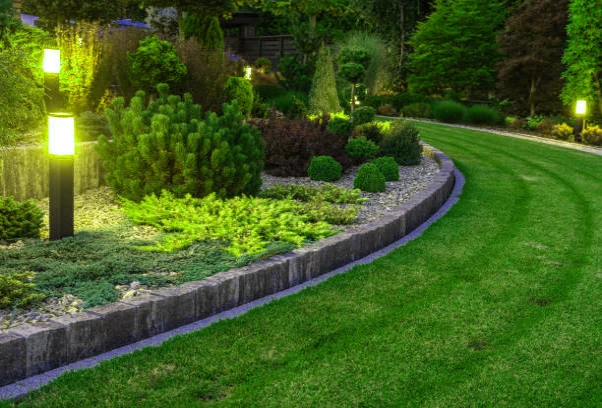
The right balance of nutrition and care can transform an average lawn into a stunning green carpet.
Final Words
Simply stated, Carolina Turf Services provides all the tips necessary for you to create the lawn of your dreams. From soil preparation and seed selection through maintenance of your lawn, we’ve got your every step covered!
To get started on transforming your lawn and ensuring it thrives beautifully in the future, feel free to contact us or call us at (980) 522-8571 for expert assistance and personalized advice.