
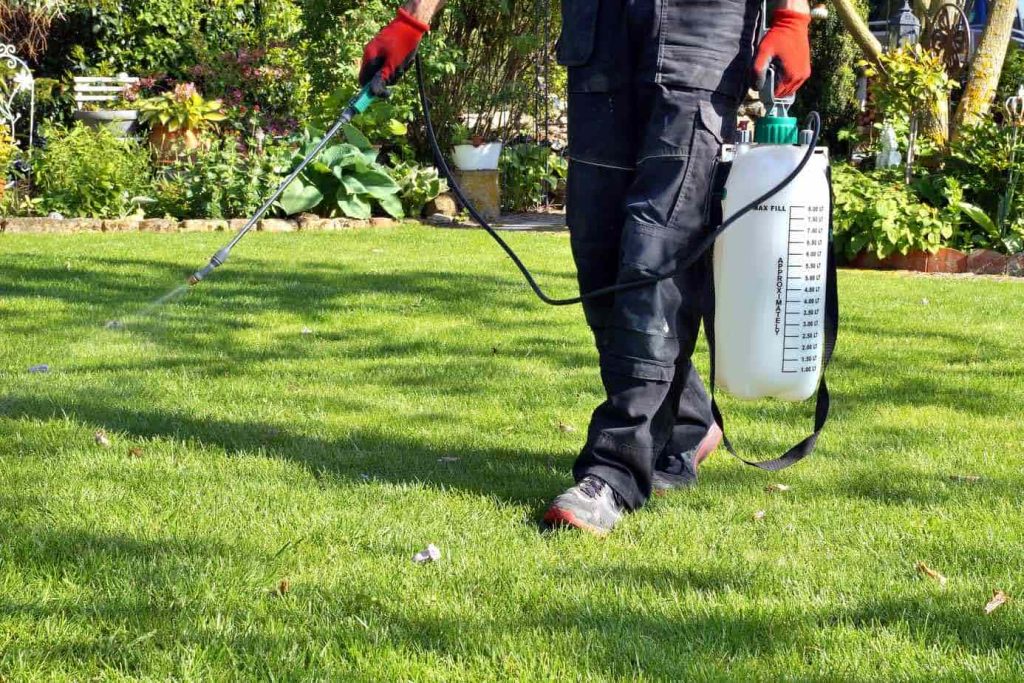
In Concord, NC, lawn health is not just about aesthetics—it’s a reflection of how well your soil, grass type, and climate work together. Choosing the best lawn fertilizer for your specific conditions is one of the most important steps to ensure a lush, green lawn year-round. With varied weather patterns and different types of grass found across the region, the right fertilization approach can make the difference between patchy, stressed grass and a vibrant, healthy yard.
Many homeowners in Concord struggle with lawn issues such as yellowing blades, patchy growth, and invasive weeds. While these symptoms may seem like surface-level problems, they often point to a deeper issue with the soil or nutrient balance. Fertilization, when done thoughtfully, addresses these problems at the root—literally. However, not all fertilizers are created equal. Understanding the differences between types of fertilizers, knowing when to apply them, and considering soil and grass specifics are critical in making the right choice.
How Concord’s Climate and Soil Influence Fertilizer Needs
Concord’s location in the Piedmont region of North Carolina means homeowners face a climate that shifts between warm, humid summers and cool, mild winters. These seasonal changes affect both how grass grows and how nutrients behave in the soil. For example, rainfall in the summer months can cause quick nutrient leaching, especially if fertilizers are not applied properly. Additionally, clay-heavy soils commonly found in this region tend to hold nutrients well, but they also compact easily, reducing oxygen flow and root development.
Understanding these conditions helps you select the best lawn fertilizer for your property. A fertilizer that works well in dry, sandy soil in another state may not deliver the same results in Concord’s denser, moisture-retaining soils. This makes a localized approach not just helpful, but necessary.
Organic vs. Synthetic Fertilizers: Which One Is Best for Your Lawn?
When it comes to choosing a fertilizer, many homeowners are faced with the question: should you go organic or synthetic? The answer depends on your goals, timeline, and overall lawn health.
Organic fertilizers are derived from natural sources like compost, bone meal, and manure. These products release nutrients slowly, improving soil structure and feeding beneficial microbes over time. They are ideal for homeowners looking for long-term soil health and a more environmentally friendly approach. In Concord, where long growing seasons allow for extended nutrient release, organic fertilizers can be a great fit.
Synthetic fertilizers, on the other hand, are manufactured and designed for quick nutrient availability. They’re typically labeled with the familiar nitrogen-phosphorus-potassium (NPK) ratio and provide fast results, which is especially helpful when your lawn is in urgent need of greening or growth. However, without careful application, synthetic fertilizers can contribute to runoff, especially during Concord’s summer rainstorms, leading to potential harm to nearby waterways.
Each type has its place. Homeowners interested in a sustainable, long-term lawn care plan may lean toward organic options. Those who need immediate results or are treating specific deficiencies might benefit from synthetic blends. The key is understanding what your lawn needs—and that’s where soil testing becomes essential.
Slow-Release vs. Quick-Release Fertilizers: Timing Is Everything
Another factor to consider when choosing the best lawn fertilizer in Concord, NC, is the release rate. Slow-release fertilizers gradually feed your lawn over an extended period. They are less likely to burn your grass and reduce the need for frequent applications. In Concord’s climate, slow-release formulas are particularly effective during spring and early fall, as they provide consistent nutrients during active growth seasons without overwhelming your soil.
Quick-release fertilizers, as the name suggests, deliver nutrients fast. These are helpful for giving your lawn a boost, particularly after it’s been stressed by heat, foot traffic, or insect activity. However, because these products work quickly, they also disappear fast, meaning your lawn might require another application sooner. Used too often or in high doses, quick-release fertilizers can cause growth spurts that are difficult to maintain and may even weaken the roots.
Knowing the difference between these formulas is crucial to creating a balanced fertilization schedule. For most homeowners in Concord, a combination of both types—slow-release for ongoing support and quick-release for occasional corrective action—can offer the best results.
Matching Fertilizer to Grass Type and Seasonal Needs
In Concord, NC, lawns typically contain cool-season grasses like fescue or warm-season varieties such as Bermuda and zoysia. Each of these grass types has unique fertilization needs, and using the wrong product can cause more harm than good.
Cool-season grasses such as tall fescue thrive in the spring and fall. These grasses benefit from a fertilizer plan that boosts root growth in the fall and supports blade development in the spring. A nitrogen-rich fertilizer with slow-release capabilities works well during these seasons.
Warm-season grasses like Bermuda and zoysia hit their peak in the summer. They need a balanced fertilizer during their growing months to sustain color, density, and stress resistance. Potassium becomes particularly important during the summer, helping the grass withstand Concord’s heat and occasional drought conditions.
Timing your applications to coincide with your grass’s natural growth patterns ensures that nutrients are absorbed efficiently rather than wasted. Applying fertilizer during a dormant season—like feeding warm-season grass in early spring—can lead to runoff and weak growth.
Why Soil pH and Testing Matter More Than You Think
One of the most overlooked elements in lawn fertilization is soil pH. In Concord, NC, the natural soil tends to be slightly acidic, which can influence how well your grass absorbs nutrients. Even the best lawn fertilizer won’t deliver results if your soil pH is off balance.
Soil that is too acidic can lock up nutrients, making them unavailable to your lawn. This often results in yellowing grass or stunted growth—even when you’ve been diligent with your fertilizer schedule. A soil test will reveal your pH levels and help you determine whether lime or other amendments are needed before applying fertilizer.
Carolina Turf Services provides soil testing options as part of its professional lawn fertilization services. With this data, we can develop a custom fertilization plan that targets your lawn’s specific nutrient needs, helping you avoid guesswork and costly mistakes.
Addressing Common Lawn Issues with the Right Fertilizer
Lawn problems in Concord often stem from poor nutrient management. If your lawn is turning yellow, it’s likely due to nitrogen deficiency, which a well-formulated fertilizer can correct. Sparse or thinning patches may point to poor root development or potassium shortages, both of which can be addressed with the right product.
Weeds are another concern for local homeowners. While fertilizers don’t directly kill weeds, maintaining a thick, nutrient-rich lawn discourages their growth. When your grass is healthy and dense, there’s less space for invasive species to take hold. Some fertilizer blends include pre-emergent weed control, which can be useful during the early spring in Concord when weeds begin to sprout.
Drought resilience is increasingly important as Concord summers grow hotter. Fertilizers with elevated potassium content strengthen your lawn’s ability to retain water and bounce back from dry conditions. By selecting season-appropriate fertilizers, you can equip your lawn to handle both high temperatures and moisture stress.
Developing a Seasonal Fertilization Plan for Concord Lawns
Successful fertilization isn’t just about choosing the best lawn fertilizer—it’s about applying it at the right time. In Concord, NC, the fertilization calendar typically follows the natural growth patterns of local grass types.
Spring is the season for waking up your lawn. Early fertilization with a slow-release, nitrogen-rich product helps establish strong roots and lush blades. Summer brings heat and potential drought, so a lighter fertilizer with higher potassium supports stress resistance. Fall is ideal for cool-season grasses, with fertilization focusing on deep root growth and winter preparation. Most lawns should avoid fertilization in winter, when growth slows and the potential for runoff increases.
Carolina Turf Services helps Concord residents apply fertilizers at just the right time, using weather, grass type, and soil data to guide every application.
The Value of Professional Advice and Customized Fertilization
While many fertilizers claim to be “universal,” there’s no one-size-fits-all solution for lawn care in Concord. Between the variables of soil pH, grass species, local weather, and existing lawn issues, the smartest choice is to seek expert guidance. A professional team can interpret soil test results, recommend products tailored to your lawn’s needs, and apply them with precision.
Carolina Turf Services specializes in customized lawn fertilization in Concord, NC. Our approach goes beyond surface treatments. By understanding your soil composition, grass type, and overall lawn health, they craft fertilization programs that are data-driven and proven to work. Whether you’re dealing with stubborn brown patches or simply want to improve your lawn’s curb appeal, professional insight can save time, money, and frustration.
Start Building a Healthier Lawn Today
Choosing the best lawn fertilizer for your yard doesn’t have to be complicated. With the right information and support, homeowners in Concord, NC, can enjoy green, thriving lawns through every season. Whether you’re battling nutrient deficiencies or simply want to enhance your lawn’s appearance, the combination of tailored fertilizer selection, proper timing, and professional support will deliver lasting results.
If you’re ready to give your lawn the nutrients it truly needs, reach out to the experts at Carolina Turf Services. Our lawn fertilization services are designed specifically for Concord’s climate and grass types, helping you make the most informed and effective choices for your yard.