
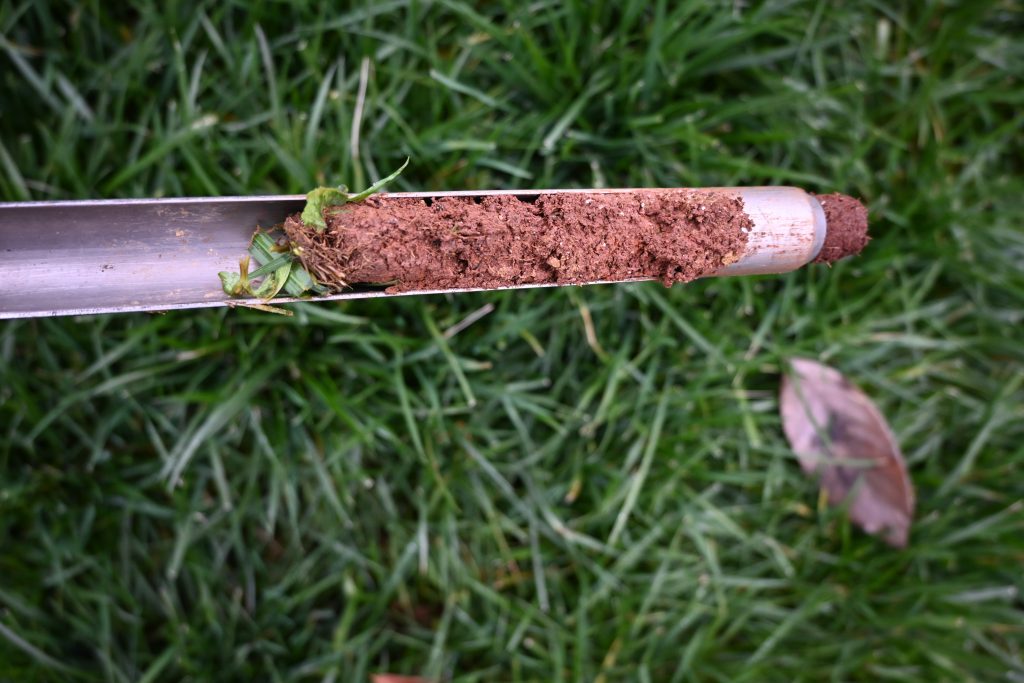
A healthy lawn begins with healthy soil, but many turf problems start below the surface long before they become obvious. Grass often provides visible clues that something beneath it is preventing strong, consistent growth. Areas of discoloration, patchy turf, thinning grass, or uneven texture may appear to be isolated issues, yet they frequently indicate underlying concerns such as compacted soil, poor soil structure, nutrient imbalances, or drainage problems. Learning How to Read Your Lawn allows property owners to recognize these warning signs early and understand when soil conditions need attention.
In Concord, NC, changing weather patterns and naturally varying soil compositions can influence how well turf grows throughout the year. Rather than focusing only on visible symptoms, identifying the soil conditions responsible for declining turf health provides a more effective long-term solution. Carolina Turf Services specializes in professional soil amendment services that improve the condition of the soil beneath the lawn, helping create healthier environments for stronger root systems and more consistent turf performance. By understanding what your lawn is communicating through its appearance, you can take informed steps that support healthier grass for years to come.
Why Your Lawn Reveals More Than Just Surface Problems
The condition of your lawn reflects much more than what can be seen above ground. Grass depends entirely on the quality of the soil beneath it for water, nutrients, oxygen, and root support. When soil conditions begin to change, the grass often responds by displaying visible symptoms before the underlying issue becomes severe. Recognizing these early indicators allows property owners to investigate potential soil concerns and address them before they spread across larger sections of the lawn.
The Connection Between Grass Health and Soil Conditions
Healthy turf begins with healthy soil because every blade of grass relies on an extensive root system that absorbs nutrients and moisture from below the surface. Soil that contains the proper balance of organic matter, air pockets, moisture, and nutrients allows roots to grow deeper and become more resilient during seasonal weather changes. When soil becomes compacted or loses its natural structure, roots struggle to expand and access the resources needed for healthy growth. As root development becomes restricted, the grass gradually begins showing signs of stress that are visible above ground. Understanding this relationship helps explain why improving soil conditions often produces longer-lasting results than repeatedly treating the visible symptoms alone.
Why Early Visual Clues Should Never Be Ignored
Small changes in lawn appearance can easily be overlooked, especially when they develop gradually over time. However, isolated areas of thinning grass, uneven color, or inconsistent growth often represent the beginning of more significant soil problems. As compaction increases or nutrient availability declines, these small patches may continue expanding until larger portions of the lawn become affected. Addressing these warning signs early allows soil conditions to be evaluated before root damage becomes widespread. Early intervention also helps reduce the need for more extensive corrective measures by improving the growing environment before turf health declines significantly.
Common Visual Clues That Point to Hidden Soil Issues
Grass responds quickly to changes beneath the soil surface, making visual observation one of the simplest ways to identify potential problems. Although several soil conditions may produce similar symptoms, the combination of changes in color, density, and growth patterns often provides valuable insight into what is happening below ground. Learning to recognize these visual clues makes it easier to determine when professional soil evaluation may be beneficial.
Patchy Growth and Bare Areas
Patchy sections of grass or isolated bare spots often indicate that certain areas of the soil are no longer supporting healthy root development. Compacted soil can prevent roots from expanding properly while also reducing the movement of water and oxygen throughout the root zone. In other cases, inconsistent drainage or differences in soil composition may leave some areas unable to support healthy turf growth. Simply replacing grass in these locations may not resolve the issue if the underlying soil conditions remain unchanged. Identifying why patches continue to develop helps ensure that corrective soil treatments address the true source of the problem rather than only improving the lawn’s appearance temporarily.
Grass Discoloration Throughout the Lawn
Color changes are among the earliest and most noticeable indicators of declining soil health. Grass that appears pale green, yellow, or dull often reflects nutrient deficiencies or poor nutrient availability rather than a lack of fertilizer alone. Soil pH also plays an important role because it affects how efficiently roots absorb essential nutrients. Even when nutrients are present within the soil, improper pH levels may prevent grass from accessing them effectively. Moisture-related issues can further contribute to discoloration by limiting consistent water availability throughout the root zone. Observing these color changes and evaluating the soil beneath them provides a more accurate understanding of what is affecting turf performance.
Thin, Weak, or Sparse Turf
Grass that becomes thin or weak despite favorable growing conditions often indicates that root systems are struggling beneath the surface. Poor soil structure, compaction, or nutrient imbalances reduce the ability of roots to absorb the moisture and nutrients needed for healthy growth. As the turf loses density, it becomes less uniform and more vulnerable to additional environmental stress. Over time, these weakened areas become increasingly noticeable across the lawn. Improving soil quality allows roots to establish more effectively, supporting fuller, healthier turf that remains more consistent throughout the seasons.
Lawn Texture Can Reveal Hidden Soil Conditions
The way your lawn feels underfoot can reveal just as much about its health as the way it looks. While changes in color and density are often the first symptoms people notice, differences in texture frequently indicate that soil conditions have changed beneath the surface. Areas that feel unusually hard, soft, or uneven may point to problems affecting water movement, root growth, and overall soil performance. Paying attention to these physical differences allows property owners to identify potential soil concerns before they become widespread and more difficult to correct.
Hard Soil That Resists Water Absorption
When portions of a lawn feel firm or compacted, the underlying soil may have become compressed over time. Compacted soil contains fewer air spaces, making it difficult for water, oxygen, and nutrients to move freely through the root zone. Instead of soaking into the ground, rainfall or irrigation may remain on the surface or run off before reaching the roots. Grass growing in these areas often becomes stressed because it cannot access the resources required for healthy development. As compaction continues, root systems become increasingly shallow, reducing the lawn’s ability to withstand changing weather conditions. Addressing compacted soil helps restore proper water infiltration and creates a healthier environment for long-term turf growth.
Soft or Spongy Areas
A lawn that feels soft or spongy in certain locations may indicate that excess moisture is remaining beneath the surface. Poor drainage, imbalanced soil composition, or excessive organic matter can reduce the soil’s ability to move water efficiently, leaving roots in consistently saturated conditions. Because healthy roots require oxygen as well as moisture, prolonged saturation can limit their ability to absorb nutrients and support healthy turf. Although these areas may appear green initially, the underlying soil conditions can eventually weaken the grass and reduce its overall vigor. Identifying the cause of persistent moisture allows appropriate soil improvement strategies to restore better balance throughout the root zone.
Uneven Lawn Growth Across Different Sections
When one section of a lawn appears healthy while another struggles, the difference often lies beneath the surface rather than above it. Variations in soil structure, nutrient availability, drainage, or compaction can create inconsistent growing conditions across the property. Even when the entire lawn receives similar sunlight and rainfall, differences in soil quality may cause certain areas to grow more slowly or develop thinner turf. Observing these inconsistent growth patterns helps identify where soil conditions should be evaluated. Improving those specific areas through targeted soil amendments creates more uniform turf performance and supports healthier growth throughout the lawn.
Hidden Soil Problems Behind These Lawn Symptoms
Visible changes in turf rarely occur without an underlying reason. While patchy growth, discoloration, and thinning grass may seem unrelated, they often share the same root causes below the surface. Understanding the soil conditions responsible for these symptoms helps property owners focus on correcting the source of the problem rather than repeatedly treating visible signs that continue returning each season.
Soil Compaction Restricts Healthy Root Development
Compacted soil is one of the most common hidden issues affecting turf performance because it restricts root growth and reduces the movement of essential resources through the soil. As soil particles become compressed, roots struggle to expand into surrounding areas, limiting their ability to absorb water and nutrients efficiently. The result is weaker grass that becomes increasingly susceptible to heat, drought, and other environmental stresses. Compaction often develops gradually through natural settling and repeated activity on the soil surface, making it difficult to recognize until visible symptoms appear. Correcting soil compaction improves root development and provides a stronger foundation for healthier turf.
Poor Soil Structure Limits Moisture and Nutrient Movement
Healthy soil contains a balanced structure that allows water, oxygen, and nutrients to move naturally throughout the root zone. When soil loses this structure, moisture distribution becomes inconsistent, nutrients become less available, and roots encounter greater resistance as they grow. Some areas may remain overly wet while others dry out too quickly, creating uneven conditions that affect turf quality. Soil lacking sufficient organic matter may also struggle to support the biological activity necessary for long-term soil health. Improving soil structure through professional soil amendments creates better growing conditions that promote stronger, more uniform grass across the entire lawn.
Nutrient Imbalances and Soil pH Affect Turf Performance
Grass requires the proper balance of nutrients to maintain healthy color, density, and growth, but nutrient availability depends on more than fertilizer alone. Soil pH directly influences how efficiently roots absorb essential nutrients, meaning grass may continue showing signs of stress even when nutrients are present in the soil. Deficiencies, excess nutrients, or improper pH levels can all contribute to discoloration, thinning turf, and inconsistent growth. Professional soil testing helps identify these hidden conditions accurately, allowing corrective soil amendments to address the specific needs of the lawn. Carolina Turf Services evaluates these underlying factors to develop soil improvement solutions that promote healthier, more resilient turf throughout Concord, NC.
How Proper Soil Care Supports Long-Term Lawn Health
Understanding how to Read Your Lawn is valuable, but recognizing the warning signs is only the beginning. Lasting improvements come from addressing the soil conditions responsible for those visible symptoms rather than repeatedly treating the grass itself. Healthy soil supports stronger root systems, improves nutrient availability, encourages better moisture movement, and helps turf remain more resilient during seasonal weather changes. Carolina Turf Services focuses on professional soil amendment services that improve soil quality at its source, creating healthier growing conditions that benefit the lawn over the long term.
Soil Testing Provides the Right Starting Point
Every lawn has unique soil characteristics, making professional soil testing one of the most effective ways to identify hidden problems accurately. Testing evaluates important factors such as nutrient levels, soil pH, organic matter content, and other conditions that influence turf health. Instead of relying on guesswork, soil testing provides the information needed to determine why certain areas are struggling and what improvements will have the greatest impact. This targeted approach helps avoid unnecessary treatments while ensuring soil amendments are selected to address the actual conditions affecting root development and overall turf performance.
Soil Amendments Improve Growing Conditions Naturally
Once soil conditions have been evaluated, appropriate amendments can restore balance by improving soil structure and increasing the availability of essential nutrients. High-quality soil amendments enhance the soil’s ability to retain moisture while also promoting proper drainage and healthier root development. As soil structure improves, water and oxygen move more freely throughout the root zone, allowing grass to establish stronger, deeper roots. Rather than creating short-term cosmetic improvements, these treatments strengthen the soil itself, providing lasting benefits that support healthier turf season after season.
Ongoing Soil Health Supports Stronger Turf Performance
Soil is constantly changing due to weather conditions, natural settling, and environmental factors, making periodic evaluation an important part of maintaining healthy turf. Even after improvements have been made, monitoring the lawn for new visual changes helps identify developing soil issues before they become widespread. Continuing to improve soil quality through customized amendment strategies allows roots to remain healthy and better equipped to absorb nutrients and moisture throughout the year. Carolina Turf Services works with property owners in Concord, NC, to develop soil improvement solutions that promote long-term turf performance instead of temporary surface-level results.
Keeping Your Concord Lawn Healthy by Paying Attention to Early Warning Signs
Your lawn constantly provides clues about the condition of the soil beneath it. Patchy growth, yellowing grass, thinning turf, uneven texture, and inconsistent growth patterns are often early indicators that something below the surface requires attention. Learning How to Read Your Lawn helps property owners recognize these warning signs before they develop into more significant soil problems that affect larger portions of the turf. Early identification creates the opportunity to correct underlying conditions while the lawn is still capable of recovering efficiently.
Rather than focusing only on visible symptoms, addressing the health of the soil provides a stronger foundation for consistent turf performance. Healthy soil supports deeper root development, improves nutrient absorption, enhances water movement, and creates an environment where grass can thrive throughout changing seasons. By identifying and correcting issues such as soil compaction, nutrient imbalances, poor soil structure, and drainage concerns, property owners can enjoy healthier, more uniform turf while reducing recurring problems that often originate below the surface.
If your lawn is showing signs of hidden soil issues, Carolina Turf Services provides professional soil amendment services designed to improve the condition of the soil beneath your turf. Through thorough evaluation and targeted soil improvement solutions, the team helps property owners throughout Concord, NC, build healthier soil that supports stronger, more consistent lawn performance. To schedule a consultation or learn more about improving your lawn’s soil health, contact Carolina Turf Services today.